Hudson River Helicopter Tragedy: Loss, Investigation, and Safety Questions
On a crisp April morning in 2025, the skies over New York City turned from breathtaking to horrifying as a sightseeing helicopter disintegrated mid-air, plunging into the Hudson River and claiming the lives of six souls. The scene was etched into the memories of onlookers who heard what sounded like gunshots before witnessing the Bell 206 spiral out of control, its rotor detaching like a fragile origami crane torn apart by an unseen force. 😢 For the Escobar family from Barcelona—Agustín, Mercè, and their three children—it was meant to be a joyous celebration of birthdays, captured in final photos with beaming smiles that now haunt social media. Pilot Sean Johnson, a former Navy SEAL who had just moved to the city to pursue his dream, sat beside the young birthday girl, their happiness frozen in time like a snow globe shattered mid-shake. 🚁💔 Rescue boats scoured the river, as seen in this poignant image: 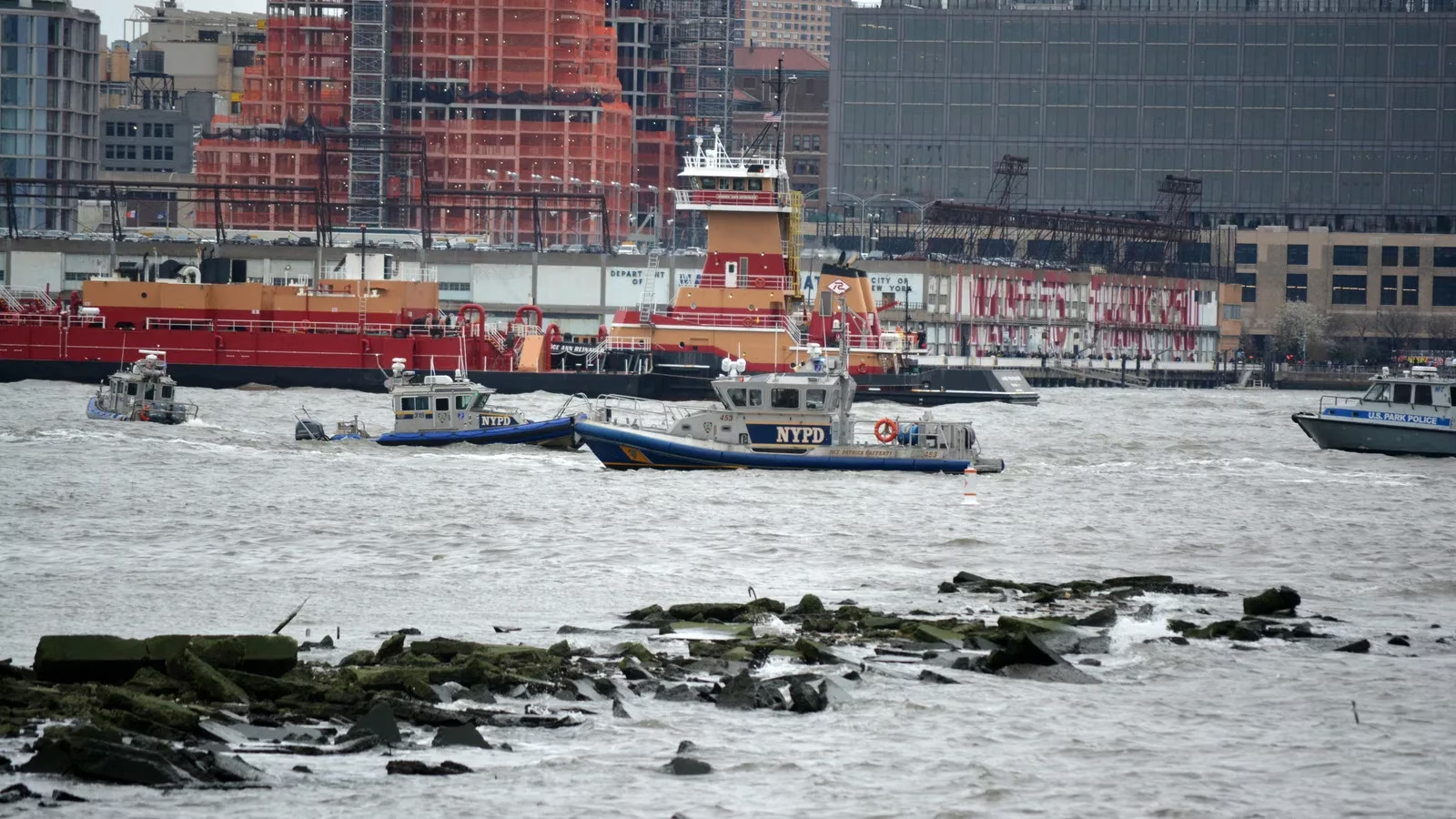 , symbolizing the desperate hunt for answers amid the debris.
The Unfolding Tragedy
Eyewitnesses described the helicopter's disintegration as surreal, with the aircraft airborne for just 16 minutes before crashing upside down into the water. The victims included:
-
Sean Johnson, 36, a certified commercial pilot and veteran who trained for years, embodying resilience and passion.
-
The Escobar family: Agustín (49, Siemens Mobility CEO), Mercè (global manager at Siemens Energy), and their children—ages 4, 11, and the daughter who was to turn 9 that Friday. Their journey, filled with excitement, ended abruptly, leaving a void in their community. The investigation by the FAA and NTSB has been relentless, combing through maintenance records and certifications to uncover why the rotor assembly detached—a failure as baffling as a clockwork mechanism suddenly unwinding itself. ⏳🔍
Immediate Aftermath and Reactions
The FAA's swift announcement on 'X' early Monday, April 14th, ordered New York Helicopter Tours to cease operations immediately. Michael Roth, the company's CEO, expressed profound devastation, cooperating fully with authorities. Yet, this tragedy sparked a congressional firestorm. Senator Chuck Schumer didn't mince words in a Sunday press conference, urging the FAA to revoke certificates and ramp up inspections for tour operators, citing lax safety standards compared to other aviation sectors. His call to action highlights a growing concern: are these scenic flights ticking time bombs in our urban skies? ⚠️
People Also Ask
Here are some burning questions swirling in the public mind:
-
❓ What could cause a helicopter to break apart mid-air? Speculations range from catastrophic mechanical failures to bird strikes or drone collisions, but the truth remains elusive.
-
❓ How safe are helicopter tours in NYC now? With the company shut down, many wonder if other operators face similar risks, prompting debates on stricter regulations.
-
❓ What role does maintenance play in such disasters? Investigators are digging deep, yet the missing rotor and gear box—crucial clues—are still submerged, making the search like sifting for needles in a murky ocean.
Broader Implications and Reflections
As rescue divers continue their grim task, the incident forces us to ponder the fragility of life and the illusions of safety. Helicopter tours, often marketed as thrilling escapes, now seem as precarious as walking a tightrope over a canyon—unpredictable and demanding vigilance. 😔 The FAA reassures that safety is their top priority, but this tragedy leaves a lingering question: how do we balance adventure with accountability? Families mourn, memories linger, and the city's skyline, once a symbol of wonder, now casts a shadow of caution. Let this be a moment to reflect, not just on what went wrong, but on how we rebuild trust in the skies above. 🌆✨