My Roman Tapestry: Weaving Luxury, History, and Hidden Gems in the Eternal City
As I step onto the cobblestones in 2026, the air in Rome feels like a layered symphony, each breath a mix of ancient dust, espresso steam, and the faint, sweet promise of gelato. For a traveler like me, seeking not just a visit but an immersion, Rome reveals itself not through grand proclamations, but through intimate whispers from its luxury boutique hotels. These are not mere places to sleep; they are portals, carefully restored palazzos and townhouses that hold the city's soul within their walls, offering a vantage point from which to appreciate its timeless drama. From the majestic, bone-white skeleton of the Colosseum to the celestial artistry of the Vatican, and from the coin-strewn wishes of the Trevi Fountain to the lively oval embrace of Piazza Navona, every corner is a page from a living history book. Yet, the true magic often lies in the quieter moments these hotels curate—a private garden oasis humming like a secret beehive amidst the urban buzz, or a concierge's whispered recommendation for a temple tour most visitors overlook.
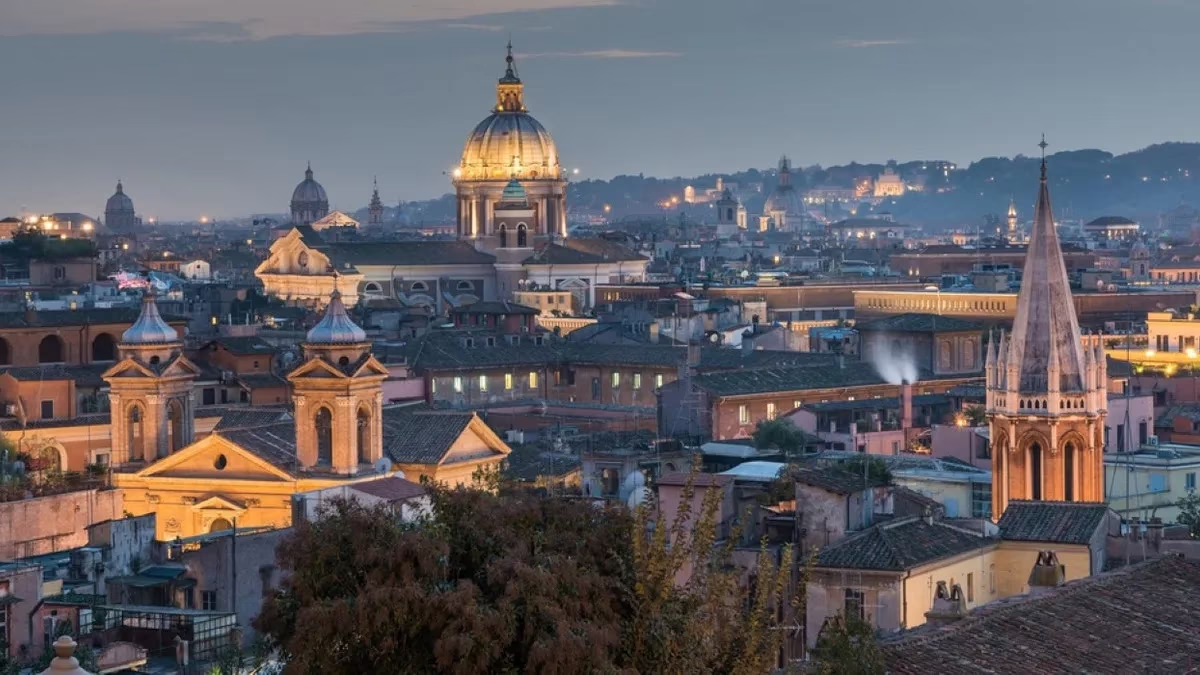
The city's culinary landscape is a parallel universe of delight. My days are punctuated by discoveries in intimate trattorias where recipes feel like heirlooms, and in Michelin-starred temples where modern Italian cuisine performs acrobatics on the palate. This seamless blend of indulgent comfort, profound history, and world-class art creates an experience that feels both decadent and deeply authentic.
Sanctuaries in Stone: My Boutique Hotel Havens
Finding the right base in Rome is like selecting the perfect frame for a masterpiece; it should enhance, not overpower. The boutique hotels I've come to adore are masterclasses in this philosophy.
The Intimate Historian: Imagine a hotel that was once the Roman home of Emperor Napoleon III. Tucked just a stone's throw from the Spanish Steps, its exterior is as understated as a well-worn leather book cover. Inside, however, it unfolds like a jewel box. Each suite is a unique canvas of antique furnishings, luxurious textiles, and original artwork, transporting me to a bygone era of elegance. Its private garden, complete with a murmuring fountain, became my tranquil oasis—a silent, green room in the heart of the city's opera.
The Serene Harmonizer: Nestled in a picturesque neighborhood of orange and yellow buildings, this hotel is a serene retreat. Its design is a dialogue between modern sophistication and traditional Italian charm, feeling less like a hotel and more like the impeccably stylish home of a distant, artistic relative. Every detail in the meticulously appointed rooms is thoughtful, ensuring my exploration of Rome's vibrant culture begins with a foundation of profound comfort.
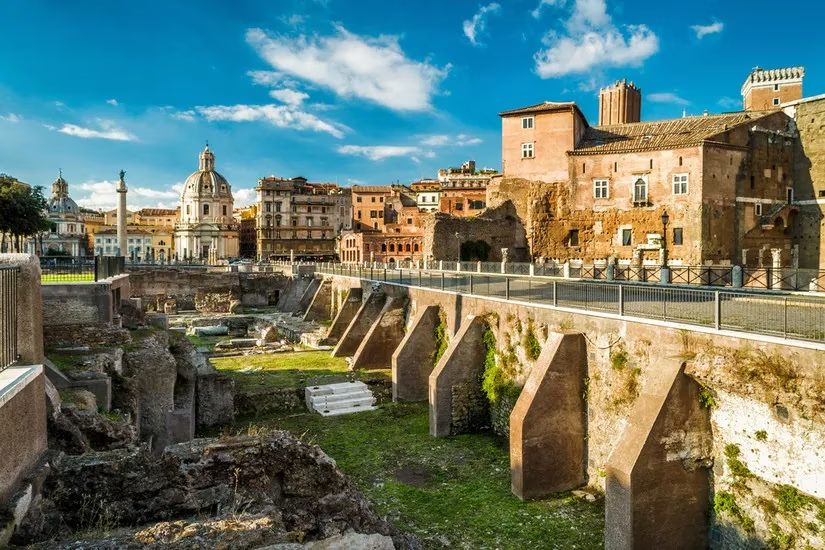
The Exclusive Sanctuary: Housed in a restored historic building, this hotel is an exclusive sanctuary. Its interior is a tasteful tapestry weaving contemporary lines with classic Italian elegance. The bespoke amenities and prime location meant I could pivot from the hushed reverence of the ancient Forum of Augustus to the lively pulse of a local piazza with effortless grace. The staff’s insider tips were more valuable than any guidebook, often pointing me toward hidden travel gems I would have otherwise missed.
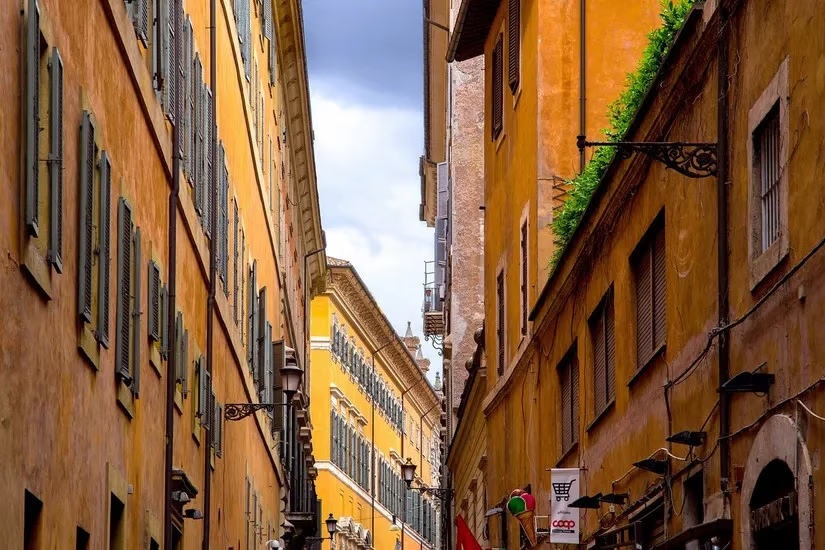
The Palatial Hideaway: Staying in a historic palace doesn't have to feel museum-like. This elegant boutique hotel masters the blend of modern luxury and classic charm, creating a sumptuous yet cozy environment. The plush amenities felt like a daily reward after miles of walking. Its central location was the perfect launchpad for bespoke tours, and their recommendations for culinary adventures led me to some of the most memorable meals of my life, where pasta was not just food, but edible archaeology.
Beyond the Guidebook: The Luxury of Discovery
What defines a luxury Roman holiday in 2026 isn't just thread count or marble bathrooms; it's the curated access to the city's layered narrative. These hotels provide the perfect vantage point.
- Hidden History: While the Colosseum commands attention, a stay at an intimate townhouse hotel attuned me to quieter wonders. A short walk could lead to the Temple of Vesta, where the sacred eternal flame once burned, or a guided tour into the depths of Rome's oldest temple, experiences that feel like receiving a private audience with the past.
-
Design as Destination: Some hotels are attractions in themselves. I stayed in a 17th-century palace transformed into a contemporary design haven, where each of the ten rooms was a gallery of bespoke furnishings and original artwork. It was like sleeping inside a living, breathing sculpture—a stark, beautiful contrast to the weathered history outside its doors. Another, set in a 15th-century building, offered a fusion of ancient architecture and modern comfort, its lush garden a tranquil retreat that felt as precious and secluded as a monk's forgotten cloister.
-
Culinary Gateways: Location is everything. One enchanting hotel, housed in a restored 19th-century building, placed me perfectly for amazing culinary tours. From there, I ventured into the world of top-rated Roman restaurants, where meals unfolded over hours, each course a chapter in a story of regional flavors and time-honored techniques.
The Neighborhood Tapestry
Rome's luxury is also defined by its neighborhoods, and the right hotel acts as your cultural translator.
A chic boutique hotel in the vibrant Parioli district offered a different rhythm. Its stylish, curated rooms were a launchpad for exploring fashionable boutiques, contemporary galleries, and local eateries favored by Romans, providing a slice of modern Roman life alongside the history. It was a reminder that the city is not a relic, but a living, evolving canvas.
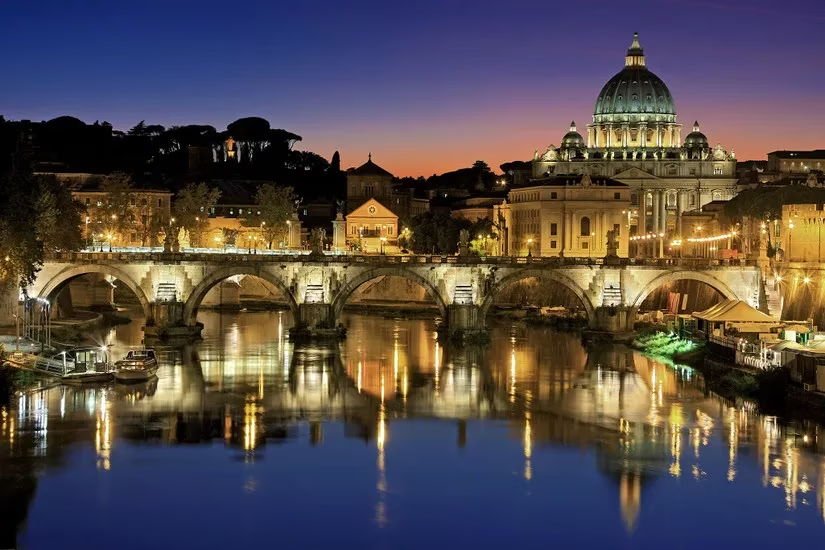
Then there are hotels that represent the pinnacle of the craft. One, meticulously restored and sitting in the heart of everything, offers an unrivaled blend of contemporary elegance and timeless beauty. The sumptuous rooms, with their bespoke furnishings and impeccable detail, represent a commitment to luxury that is both profound and personal. It’s a peaceful retreat from the bustling streets, a place where exceptional hospitality makes you feel not like a guest, but a temporary custodian of a beautiful secret.
My Roman Essentials: A Traveler's Table
| Aspect | My Experience & Tip |
|---|---|
| Accommodation Philosophy | Choose a boutique hotel in a restored historic building—it's your private chapter in Rome's story. |
| Must-See Icons | Colosseum, Vatican City, Trevi Fountain, Piazza Navona. View them from the Capitoline Hill for perspective. |
| Hidden Historical Gems | Forum of Augustus & Temple of Vesta. Ask your hotel concierge for access to specialized tours. |
| Culinary Journey | Mix intimate trattorias with Michelin-starred innovation. Let the hotel arrange a food tour for authentic discoveries. |
| Ultimate Luxury | A hotel with a private garden or terrace. This quiet oasis is worth its weight in gold after a day of exploration. |
| Neighborhood Vibe | Consider Parioli for a chic, contemporary Roman experience alongside the historic center. |
In the end, my journey through Rome taught me that the city's eternal nature isn't just about endurance, but about endless layers waiting to be uncovered. The luxury boutique hotels were my lenses, focusing the overwhelming grandeur into intimate, unforgettable moments. They turned a vacation into a personal tapestry, woven with threads of gold-leaf history, deep crimson wine, and the soft, grey stone of timeless streets. To experience Rome this way is to understand that true luxury is connection—to place, to history, and to the quiet, elegant heartbeat of the Eternal City.