Tokyo’s Luxury Hotels in 2026: Ten Stays That Still Set the Benchmark
TOKYO — I have spent the past few years tracking how Japan’s capital turns hospitality into theater, and in 2026 the city’s luxury hotels still feel like the main event. Tokyo keeps layering old customs onto futuristic convenience, and the best properties do the same: they bow to tradition, then hand you a key card that opens a skyline view. Look, Tokyo does not do subtle luxury by halves. The city is dense, fast and endlessly visual, so a great hotel here is not just a bed; it is a filter that makes the chaos feel elegant. My shortlist below is not a ranking of brand-new openings. It is a first-person guide to ten addresses I would still trust for a splurge, whether I am traveling for work, celebrating something, or simply escaping a 14-hour flight into a quiet room with a very good bathtub.
The shortlist at a glance
| Hotel | Area | Why I would check in |
|---|---|---|
| Aman Tokyo | Otemachi | Zen calm above the financial district, with direct train access. |
| Grand Nikko Tokyo Daiba | Odaiba | Bay views, big-room scale and family-friendly ease. |
| Shangri-La Hotel Tokyo | Marunouchi | Warm Asian hospitality beside Tokyo Station. |
| Imperial Hotel Tokyo | Uchisaiwaicho | More than 120 years of old-world charm and modern polish. |
| The Ritz-Carlton, Tokyo | Akasaka | Sky-lobby drama, fine dining and event-ready spaces. |
| Sheraton Grande Tokyo Bay Hotel | Maihama | Disney access plus Japanese-style baths. |
| Conrad Tokyo | Shiodome | Bay and garden panoramas, a 25-meter pool and large event floors. |
| Park Hyatt Tokyo | Shinjuku | A quiet high-rise hideout with clear views, including Mt. Fuji on good days. |
| Hotel New Otani Executive House Zen | Kioicho | A hotel-within-a-hotel concept built around serenity. |
| Four Seasons Hotel at Marunouchi | Marunouchi | A chic refuge near shopping, dining and transit. |
Where I would start
Aman Tokyo remains my first recommendation when someone wants calm without leaving the center. Set in The Otemachi Tower, the property leans into its Sanskrit-derived name, which suggests peace, and delivers a rare mix of urban energy and stillness. I like that I can move from a meeting to a train platform to a spa without the day feeling chopped up. The indoor pool, fitness center, restaurant and lounge give the hotel a self-contained rhythm, and the Japanese traditions are present without becoming a theme park. Honestly, I’d book a room just for the lobby’s sense of air.
Grand Nikko Tokyo Daiba takes a different route. On Tokyo Bay’s artificial island, it feels more like a resort than a downtown tower, with 882 rooms, broad event halls and outdoor spaces that make family travel less cramped. The bay view is the point, and the access to leisure spots is a practical bonus. I would send groups here before I sent them into the thick of the city, especially if they want a softer landing after a long flight.
Shangri-La Hotel Tokyo is the one I recommend when location matters most. It sits by Tokyo Station, close to Nihonbashi and Ginza, and the Shinkansen terminal makes day trips to other cities feel almost too easy. The rooms are large and modern, and the service carries that polished Asian-hospitality warmth. I have learned that a hotel can be beautiful and still feel cold; this one does not.
The grand dames and the skyline stars
The Imperial Hotel Tokyo is a history lesson I can sleep in. For more than 120 years it has welcomed famous guests and witnessed city-changing moments, yet it still feels current, with limousine service, sightseeing support and easy access to Ginza and Marunouchi. I would choose it when I want old-world charm without giving up modern amenities. It is the kind of place where the past feels like a feature, not a flaw.
The Ritz-Carlton, Tokyo gives me the sky-lobby moment I still want from a big-city luxury stay. With 247 guest rooms and suites, a ballroom, a wedding chapel and a spa, it is built for celebrations. I would use it for an anniversary or a business dinner, then walk to Roppongi Hills, the Mori Museum or the Imperial Palace area. Trust me, that kind of location matters when the schedule is tight.
Sheraton Grande Tokyo Bay Hotel is not trying to be the most discreet hotel in Tokyo, and that is fine. It is the practical choice for families and groups who want Tokyo Disneyland and Tokyo DisneySea within reach, plus Ikspiari for shopping and dining. The Japanese-style baths are a smart touch after a day on your feet.
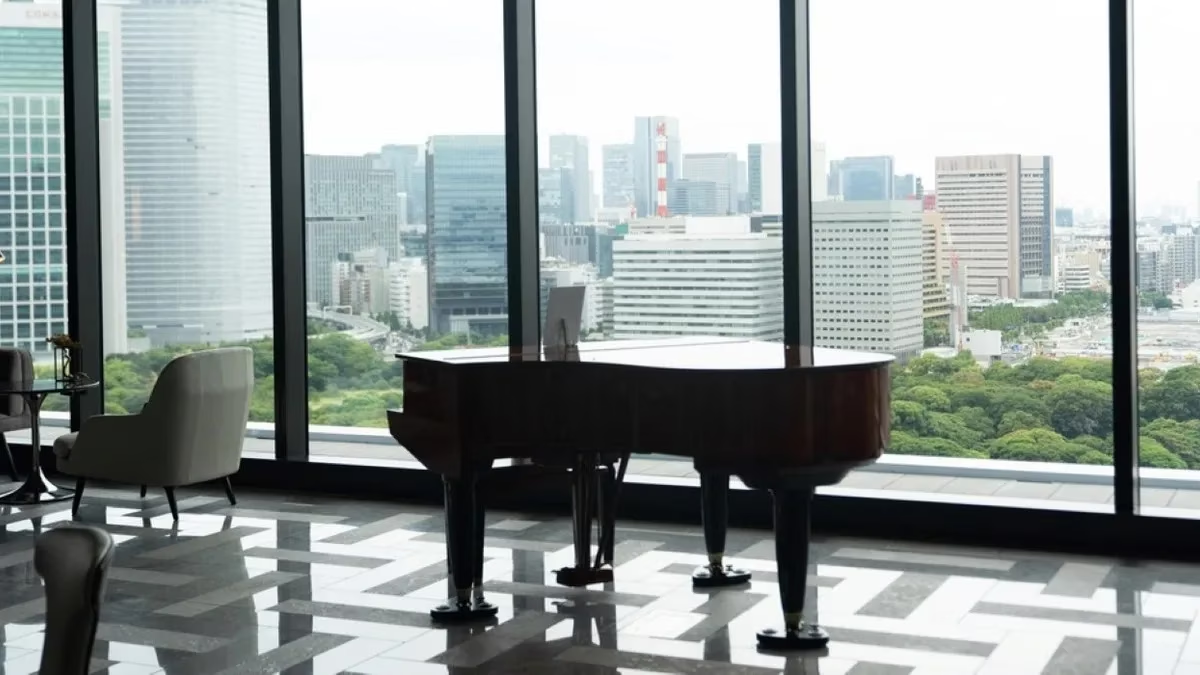
Conrad Tokyo occupies the 28th to 37th floors of the Shiodome skyscraper, and the views over Tokyo Bay and Hamarikyu Gardens are the reason I keep it on my list. It is close to Shiodome Subway Station and useful for the Toyosu Fish Market. The 25-meter pool, spa rooms and large event spaces make it a strong hybrid for work and play.
The quiet luxuries
Park Hyatt Tokyo remains the introvert’s luxury hotel. In Shinjuku, it occupies the top fourteen floors of a high-rise and offers 177 guestrooms, including 23 suites. The art and design give it a private-reserve feel, and the service is personal without being intrusive. On a clear day, the view toward Mt. Fuji is the sort of thing I would plan my morning around.
Hotel New Otani’s Executive House Zen is for travelers who want a smaller world inside a large hotel. The hotel-within-a-hotel concept comes with a private lounge, concierge service and access to The Golden Spa New Otani. I would pick it when I want Japanese serenity and the famous garden views without disappearing from the city entirely.
Four Seasons Hotel at Marunouchi rounds out my list with a simple promise: ease. The rooms are calm and chic, the windows are floor-to-ceiling, and the location puts shopping and entertainment nearby. In 2026, that kind of frictionless stay is a luxury of its own. I would check in, unpack slowly, and let Tokyo wait for an hour or two. ...",
"language": "en